If Amazon and Flipkart couldn’t win Bharat’s love, how could Meesho?
the situation
Meesho had built its name by helping millions of small entrepreneurs, especially women, sell and resell online. With new momentum came the next step: becoming a full-scale e-commerce platform.
But it was stepping into a battlefield long shaped by Amazon and Flipkart. These giants had trained urban India to shop for branded goods, big discounts, and one-click convenience. Everyone who tried to play by those rules had already fallen away.
For Meesho to win Bharat, it couldn’t mimic that urban playbook. It had to solve something deeper: the hesitation, doubt, and indifference that kept millions from seeing e-commerce as their way of shopping.
Angle of inquiry
Why did people still prefer the comfort of local markets?
What makes buying online feel fair and trustworthy?
How do women and small sellers build confidence in a system they can’t see or touch?
To answer these questions, our team of brand strategists, storytellers, and behaviour researchers spent five months across 12 Indian cities, immersing in the worlds of both consumers and sellers.
What we found
Across India, a clear pattern emerged. People didn’t see themselves in the world projected by e-commerce. Platforms like Amazon and Flipkart felt like badi kaanch ki dukaan; good for branded goods, but cold and distant for everyday needs. Shopping online felt fragile and intimidating, missing the warmth, small talk, and trust of the local bazaar.
Discounts alone didn’t make people feel they were getting value. What mattered was finding something that felt right for their lives, at a price that felt honest. But most platforms were pushing branded excess; irrelevant to their lives and what they would enjoy using.
For sellers too, e-commerce felt like a world built for someone else, not them. Offline selling was flexible, social, and in their control; online felt rigid, rule-bound, and intimidating.
The solution
System of solutions
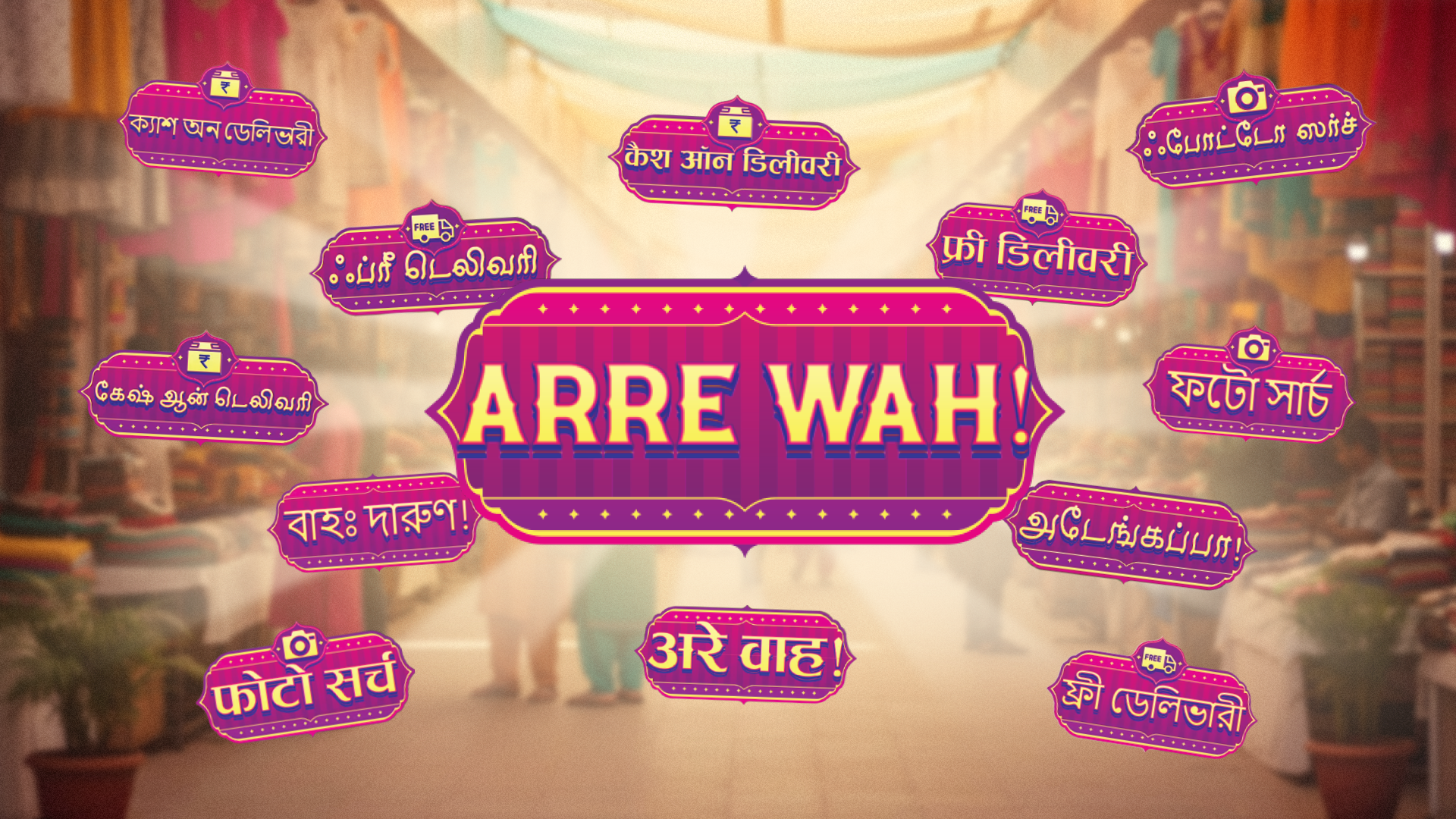
We made Meesho feel like a local market again; warm, and chatty. A place where people could browse, not just buy.

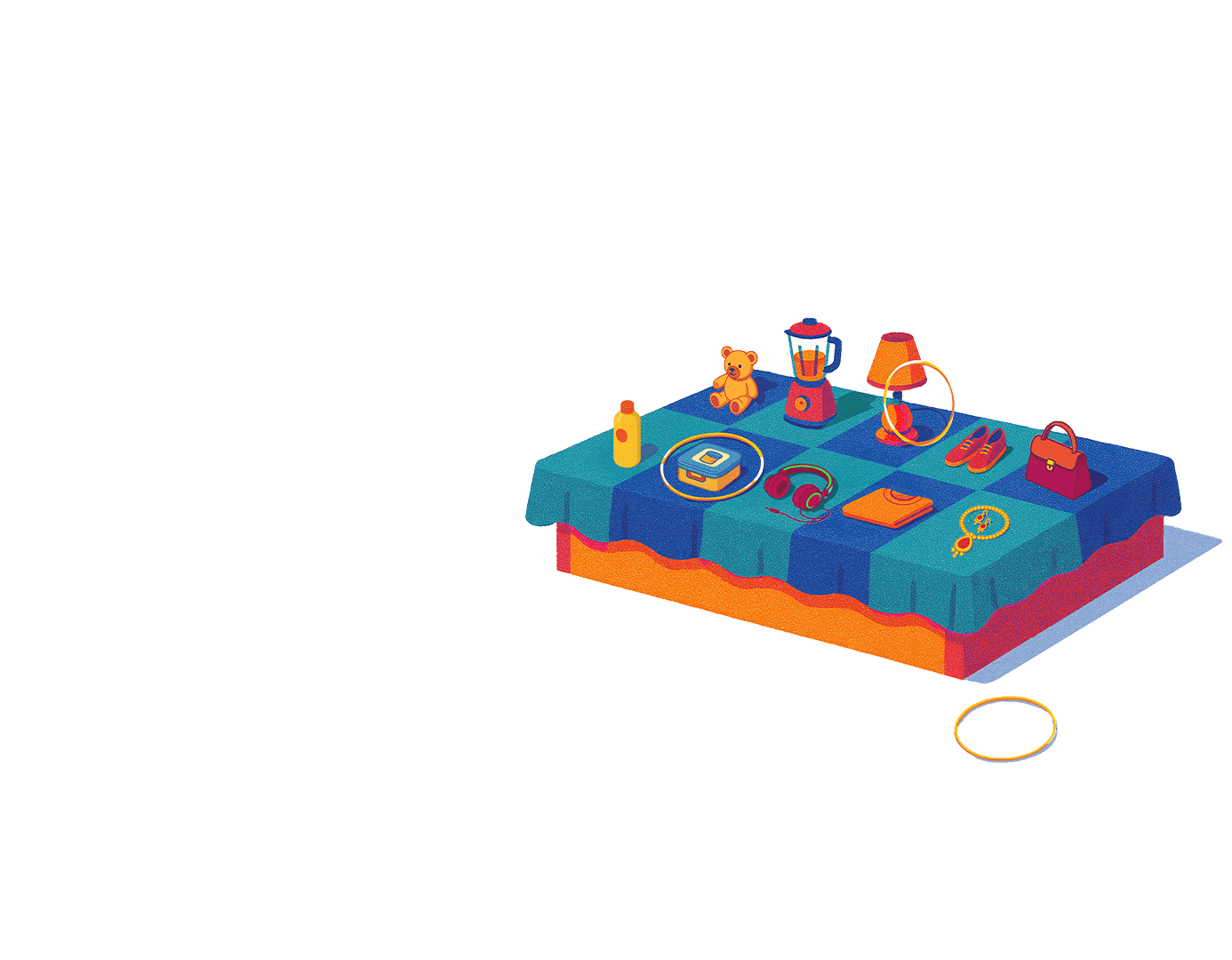
We focused on simple, useful, no-frills goods that mattered most to everyday India, instead of flashy, branded ones.